Language Barrier
- vesmiths
- Dec 4, 2025
- 2 min read

The Narváez expedition of 300 men headed inland on May 1, 1528, about three weeks after landing near Tampa Bay in Florida. In some ways, they were ill-prepared and unlucky. First, on their storm-bedeviled way to La Florida, Narváez passed up the opportunity to make a final stop at Havana to replenish supplies and take on more horses and men. The voyage from Spain had been underway for 16 months already. It took them seven weeks just to work through more storms and groundings between Cuba and Florida. When they finally landed on April 10, some miles north of Tampa Bay’s main entrance, they mistakenly thought they were south of it—a fatal error as it turned out. The expedition marched inland and northward, each man provisioned with only two pounds of biscuit and a half pound of bacon. They likely assumed they would meet up with the ships again at Tampa Bay and could pick up more supplies to be brought from Cuba. In fact, the ship crews would never see them again, despite searching the Gulf Coast for nearly a year.
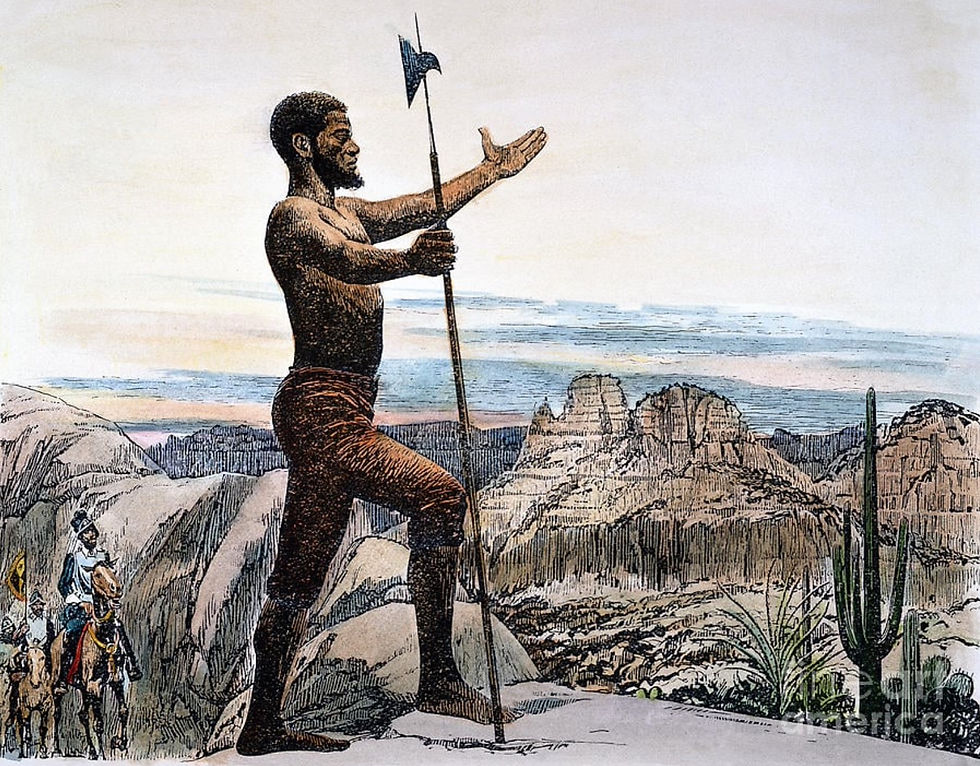
Another serious shortcoming was the lack of an interpreter of the local native languages. Previously, Hernán Cortés, in his dealings with the Mexica and Maya, had the great advantage of two interpreters (La Malinche and Jerónimo de Aguilar) to navigate between Nahuatl, Maya, and Spanish. That played a big role in developing his strategy for the conquest of Mexico.
But the Narváez expedition inadvertently provided an interpreter and guide for the De Soto expedition 11 years later. Two men of a Narváez ship that had returned from Cuba and was looking for the land party, went ashore at Tampa Bay and were captured by natives of the Ucita tribe. One man was killed outright and the other, Juan Ortiz, was on the verge of being burned alive when the chief’s daughter intervened—a Pocahontas-like story except that he lived more like a slave than friend of the family. As the story goes, three years later when the chief Ucita again decided to sacrifice him, the daughter helped him escape to a more friendly chief named Mocoso from a rival tribe. That chief promised to return Ortiz to his countrymen should the opportunity ever occur, which it did with the arrival of De Soto. By then, Ortiz spoke at least two native languages and was well-versed in their cultures. He helped guide them all the way to the central Mississippi Valley, where his death was a great loss to the expedition.


Comments